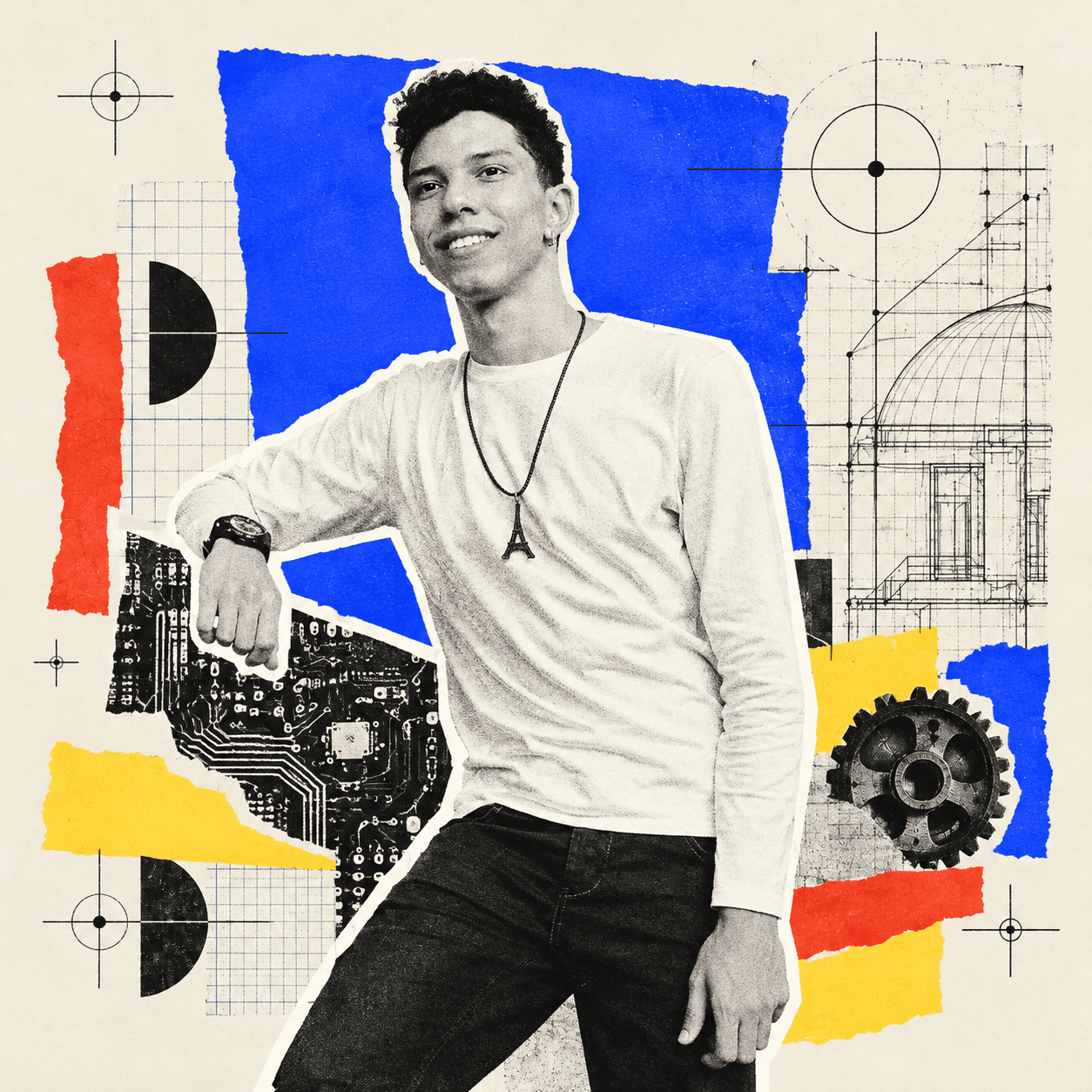
Sophie: from artistic vision to release.
I co-founded Youth Gaming and combined art direction, C# engineering and production coordination on Sophie: Starlight Whispers.



- BRL 24,000Crowdfunding, campaign created and led by me.
- BRL 300,000ProAC production grant, application and panel presentation.
- Steam · 2026Released in March, after six years of development, with about 19,000 wishlists and Very Positive reviews.
At a glance
- Problem
- Turn a game made in spare time into a production with a team, funding and partners.
- My part
- Co-founder, art direction, C# engineering, funding and production coordination.
- Hard call
- Invest in tools so the level designer could build quests without depending on a programmer, and organize integration with branches, code review and isolated prefabs.
- How I validated
- About BRL 24,000 in crowdfunding, BRL 300,000 from ProAC, a partnership with Astrolabe and a Steam release in March 2026, with about 19,000 wishlists and Very Positive reviews.
- What changed
- The project gained funding, production structure and partners. Sophie launched on Steam in March 2026.
Turn an idea into production.
Sophie started as a spare-time project. I created the copy, visuals and crowdfunding campaign, which raised about R$24,000. Funding helped establish the company, build our Steam presence and buy equipment.
I wrote and led the ProAC grant application, presented to the selection panel and secured R$300,000 in funding. This supported a year of team compensation and professional voice acting. I also led publisher pitches and meetings until we partnered with Astrolabe. These are production funds, not sales revenue.
Tools for the people creating content.
I developed a ScriptableObject-based event interpreter. The level designer used it to build all side quests from the beginning of the project.
The systems described in my technical portfolio include an event bus, gameplay architecture, localization and debug tools. The division of work let content be created by the person who knew the level, supported by tools.
Organize team integration.
I established working branches, code reviews before merges and integration conventions. In Unity, we isolated prefabs and ScriptableObjects to reduce competing edits to scenes.
Each task had a goal and deadline. I led programmer alignment and integration, while the level designer assembled scenes. The work brought programming, level design and art together, with responsibilities defined for each delivery.
Art and programming in the same scene.
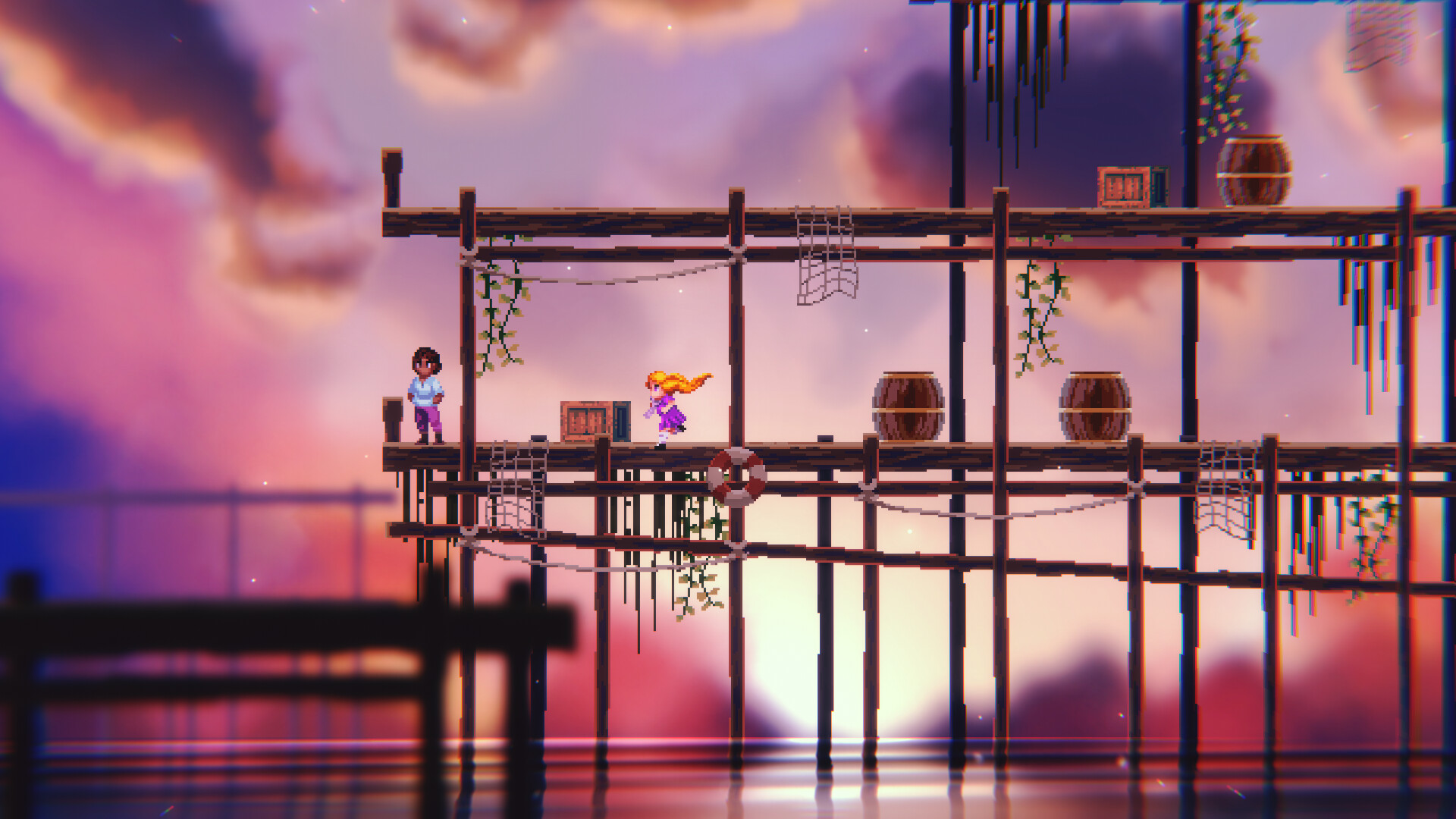
In the featured scene below, I created the graphics, assets and animations, developed the water shader, and worked on effects and post-processing.
The composition combines pixel art with light and depth. Lighting, reflections and post-processing add depth to the pixel art elements.
 Open full image
Original scene: graphics, assets, animations, effects, post-processing and water shader by Miguel Minotti.
Direct an intent through the final artwork.
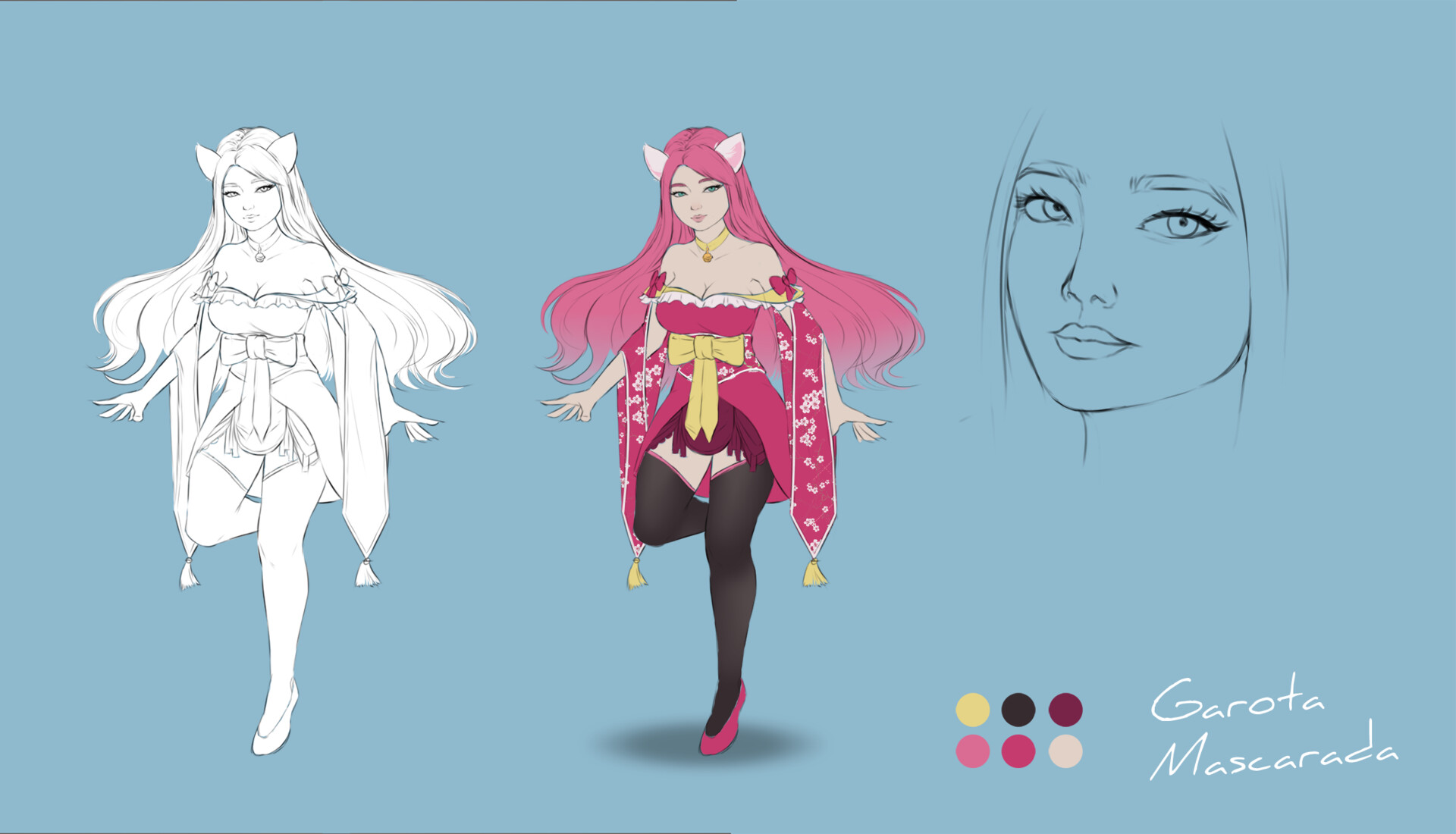
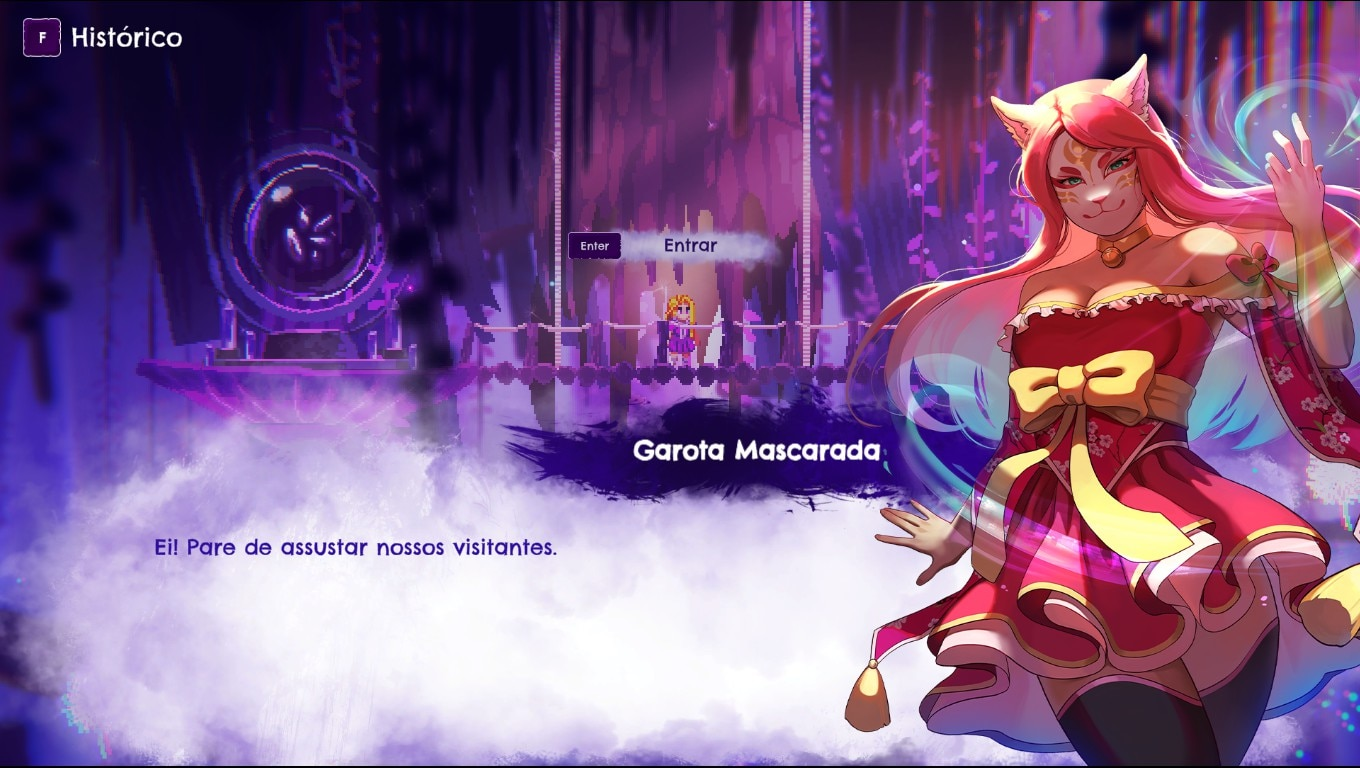
Garota Mascarada is a wise guide to the protagonist. I created her concept to feel human yet ethereal, guiding the colors, flowing clothing, mask and rainbow effects around that role.
I directed development through the final result. The final character illustration is by @artofmaryg, credited alongside the image.
 Open full image
Garota Mascarada. Concept art and direction by Miguel Minotti.
 Open full image
Concept and direction by Miguel Minotti. Final character illustration by @artofmaryg.
@artofmarygPresent and negotiate in English.
I worked in English with international partners across pitches, meetings, negotiations, reporting and written communication. I also presented my work on video.
This journey connected communication, engineering and art direction to the needs of a production that reached its audience.